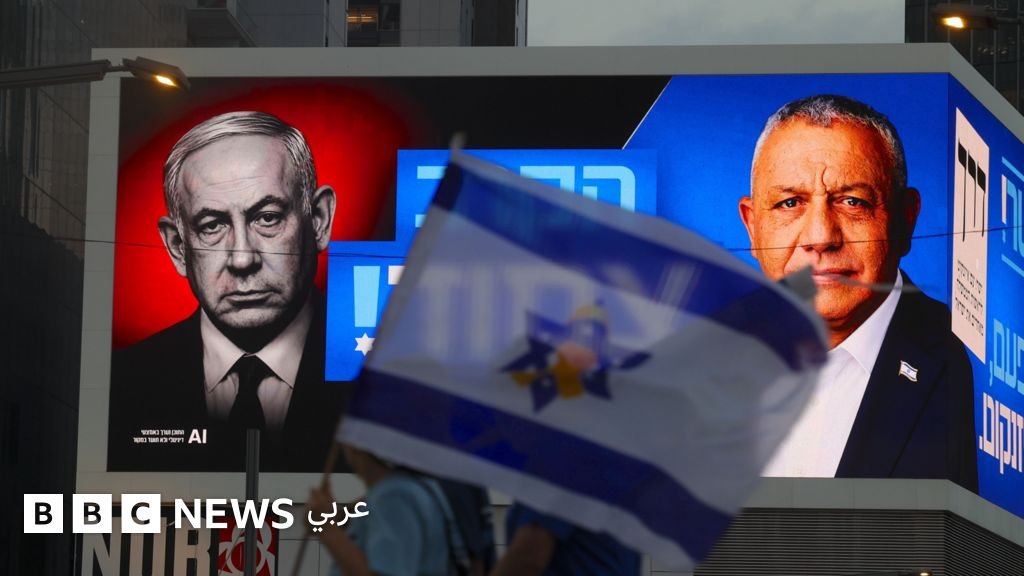
Pivotal elections in Israel amid rapprochement in opinion polls between ruling coalition and opposition
Israel awaits Tuesday's general election, in a deeply divided country, after three years of wars in the region. According to what was published by BBC News Arabic, the opinion polls published on Friday showed a strong convergence between...
Listen to the article
AI-generated narration
Israel is bracing for Tuesday's general election in a deeply divided country, three years after regional wars. According to BBC News Arabic, opinion polls published on Friday showed a very close race between the ruling coalition and the main opposition bloc.
Around half a million voters are expected to cast their ballots for the first time, while reports indicate that around 70,000 Israelis have come from abroad specifically to vote. On Saturday evening, central Tel Aviv witnessed a large gathering of opposition voters who demanded a change of government.
The race features prominently Gadi Eisenkot, the former army chief of staff, who leads the centrist Yashar party. Known for his calm demeanor and avoidance of the spotlight, he is challenging Benjamin Netanyahu, the longest-serving prime minister in Israeli history. The report noted that Eisenkot and his party have repeatedly held a slight lead over Likud in opinion polls.
In contrast, Netanyahu is focusing his campaign on Israel's security under the slogan "No surrender". He argues that the country's wars in Gaza, Lebanon, and Iran have diminished the existential threats it faces. The opposition, however, says his government poses a threat to democracy, citing his efforts to curtail the powers of the judiciary and his refusal to establish a formal commission of inquiry into the October 7, 2013 attacks.
Eisenkot pledged to form a commission of inquiry into those attacks, and to implement court rulings that mandate the conscription of religiously ultra-Orthodox Jews into compulsory military service. According to the report, a recent poll indicated that more than 70 percent of Jewish Israelis supported the formation of the Investigative Committee.
These are the first elections held since the October 7 attacks, during which Hamas killed nearly 1,200 people and took 251 hostages, according to the report. Eisenkot's Moroccan origins made headlines after a pro-Netanyahu speaker called him a racist during a televised debate.
Source: BBC News Arabic - https://www.bbc.com/arabic/articles/crz65yq5974xo?at_medium=RSS&at_campaign=rss
Share
Scan the code to open the article in WeChat
💬 Comments (0)
Join the Conversation
Comments are reserved for registered members. Create your free account to join and interact with BusinessPress+
Free — no payment required
Be the first to comment